York scientists to develop a greener way of making plant-based insect repellent
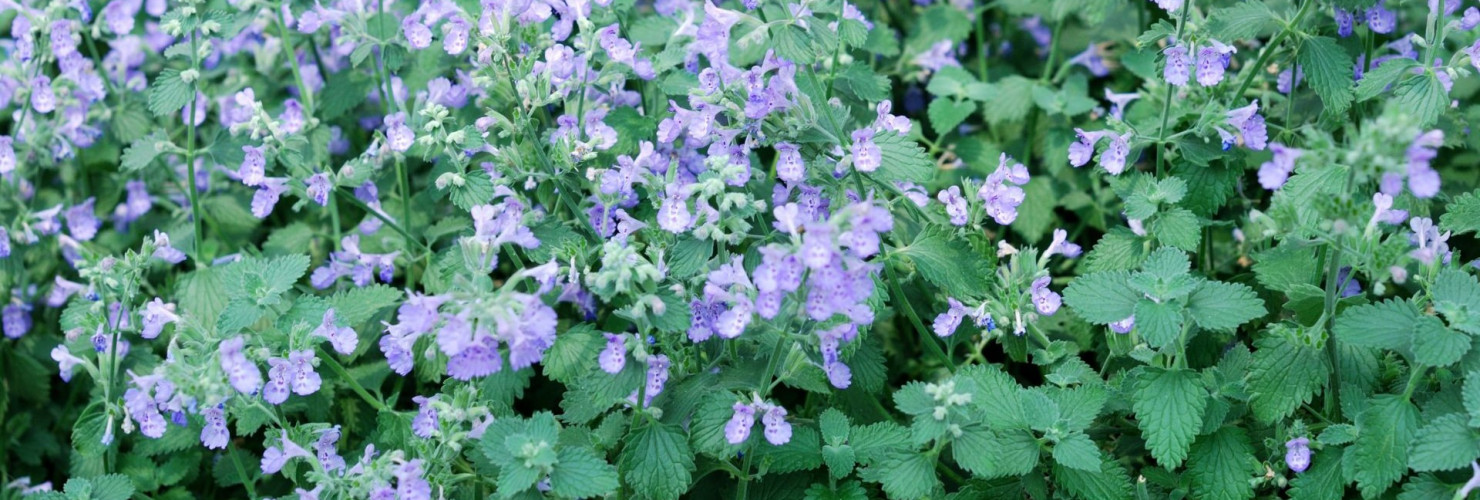
Researchers at the University of York, Centre for Novel Agricultural Products, supported by the BDC have launched a groundbreaking project to develop a fully sustainable, bio-based method for producing dihydronepetalactone (DHN), a powerful insect repellent derived from the essential oil of the catmint plant. By utilising an enzyme-based process, the project aims to provide consumers with a more sustainable, highly effective, natural alternative to synthetic insect repellents, helping to combat the rising tide of insect-borne diseases.
As climate change causes vector species to migrate out of the tropics, temperate zones are facing an increased risk of insect-vectored diseases such as Lyme disease, encephalitis, and malaria. While synthetic repellents such as DEET remain the most common defence, their fossil-fuel-based origins and chemical composition deter a significant portion of consumers. These consumers often opt for ineffective "natural" alternatives or forego repellents entirely, increasing the risk to public health.
The science of safety
DHN is a natural product repellent that is the active ingredient in a product already available in the US market. The repellent, marketed under the tradename nipt! can be applied without limit on repeat application or application to children. Current industrial production of DHN starts with the essential oil of the catmint plant, which is then chemically modified to improve safety, stability and scent.
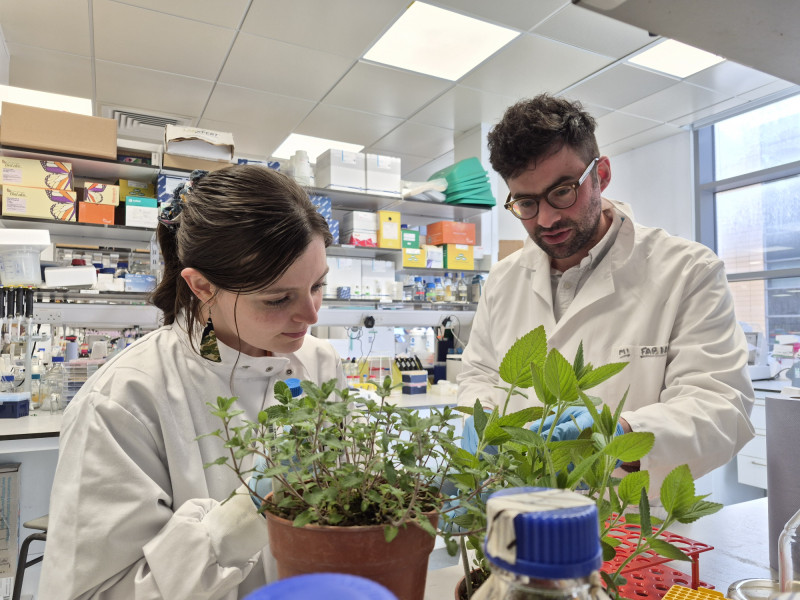
The University of York team has recently demonstrated a "proof-principle" that DHN can be generated from catmint oil using enzymatic catalysis - a biological process that further improves the sustainability of this plant-based product.
Project goals
Secured funding from the Biotechnology and Biological Sciences Research Council (BBSRC) Follow-on Fund will now allow the team to move this research from the lab to a practical demonstration. The project will focus on:
- Optimising biocatalysis reaction conditions.
- Improving enzyme catalysts for commercial viability.
- Developing a robust business case for bio-based production.
Industry Collaboration
The University is partnering with Entomol Products LLC, the company that has successfully brought a DHN-based product to the US market. This collaboration bridges the gap between academic innovation and commercial reality.
Further to maximise chances of success, the BDC Business Partnership Team will provide expertise in market research and stakeholder engagement to understand and develop business and product strategies, aiding the path to commercialisation.
Project principal investigator Dr Benjamin Lichman from the University of York said
We want to develop methods for making natural, effective and safe insect repellents that can replace synthetic options such as DEET. Dihydronepetalactone, a natural product derived from catmint, is a really great repellent as it has top safety and environmental credentials. We would like to improve the sustainability of this process even further by replacing the current chemical production method with a biocatalytic process, making a fully bio-based repellent.
Dr David Hallahan, Chief Scientific Officer at Entomol Products LLC added
Entomol is thrilled to partner with the University of York in this research. We are very focused on applying the best and most sustainable processing technologies for our products. Our starting point is the essential oil of the catmint plant, and today we employ conventional chemical catalysis to enrich the oil in the plant natural product DHN. This collaboration represents our commitment to replacing a 20th-century process by 21st-century biocatalysis, further enhancing the sustainability of our products.
Dr Abigail Walklett, who recently joined the project in a Postdoctoral role, said
With growing global demand for safe and effective protection from insect-spread diseases, our goal to produce natural insect repellents sustainably is an important one that I am very excited to be involved with.
About the project partners
The Lichman Lab: based in CNAP, work on the discovery, understanding and engineering of plant natural product biosynthesis. Their vision is: to harness plant natural product biosynthesis for enzyme discovery, evolutionary analysis and engineering biology; to understand the origins of nature’s chemical diversity; and to catalyse transformative biotechnological solutions for sustainable development.
Centre for Novel Agricultural Products: The University of York (UoY) will support the project through the Centre for Novel Agricultural Products (CNAP). Located in the Department of Biology, CNAP is a centre of excellence where leading researchers investigate fundamental processes driving biological systems with the aim of realising the potential of plant, microbial and algal-based renewable resources. The Department of Biology is one of the UK’s leading university biological sciences departments which ranked 9th in the UK for research excellence in the most recent (2021) UK REF.
Entomol Products LLC: Entomol is the exclusive producer of the US EPA-approved insect repellent Hydrogenated Catmint Oil, the DHN-rich active ingredient in our nipt! on-skin repellent products. nipt! offers consumers a true alternative to purely synthetic products, providing the efficacy of a synthetic with the safety of a natural.
Let's work together
We have worked on 1,500 bio-based projects to date
We have several ways to work with us, including business advisory programmes and self-funded commercial options. We even have the option for you to hire our state-of-the-art laboratory equipment and office space.